


A Strategic Move in the RPG Industry
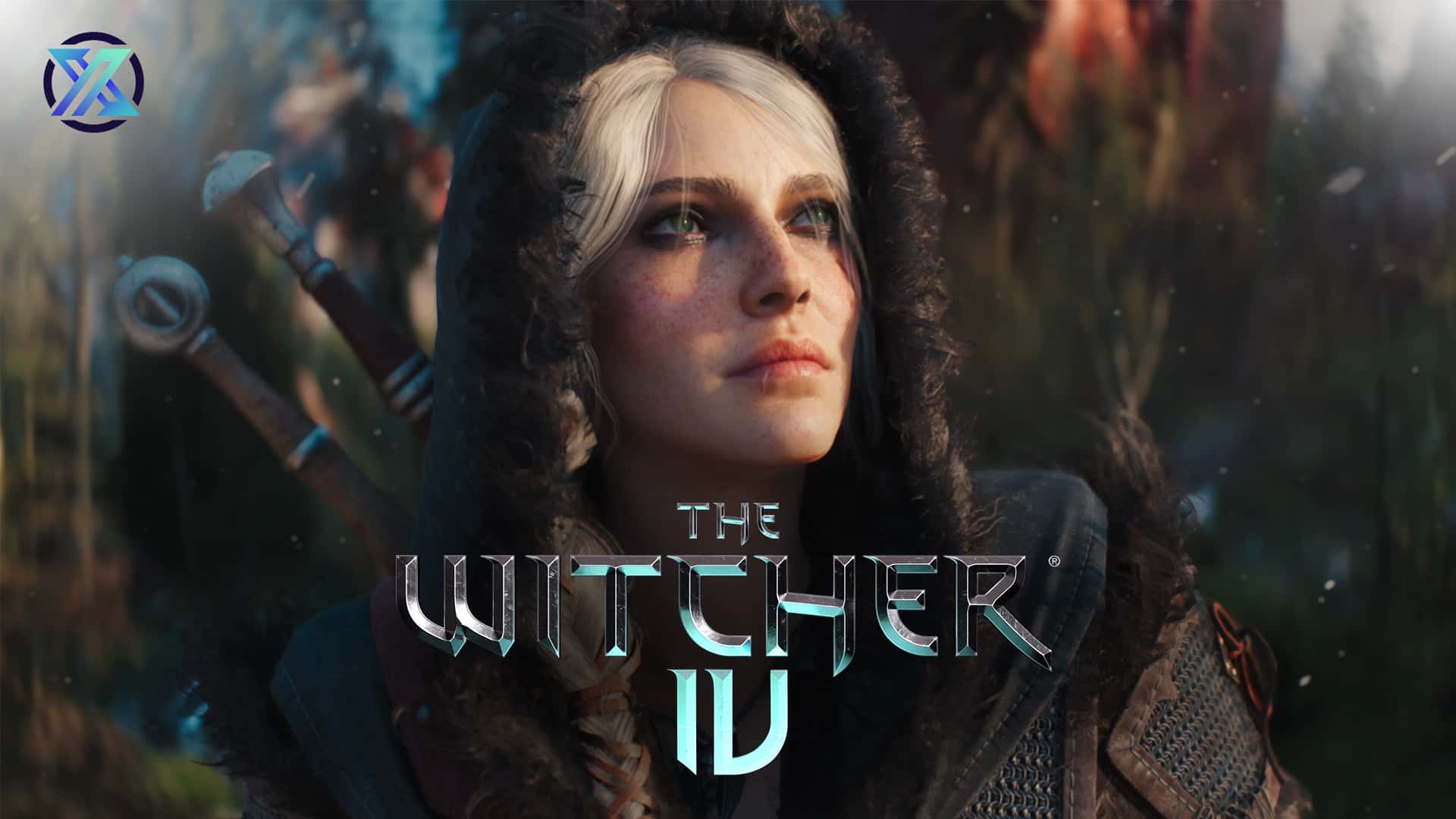
The RPG industry is stunned by a remarkable case of a developer quitting: Karel Kolmann, who has been a long-time developer and played important creative and design roles in Kingdom Come: Deliverance II, has quit Warhorse Studios and has been hired by CD Projekt Red as a Senior Quest Designer for The Witcher 4.
This change of staff not only attracts attention because of the transfer of talent but also because of the consequences it creates for both companies and their upcoming RPGs.
Who Is Karel Kolmann and What Did He Do at Warhorse?
The late 2017 saw Kolmann's entrance into Warhorse Studios, where he started as a writer and game designer. Subsequently, over the span of eight years, he moved up the ladder by a position each time, first being the senior game designer and then lead gameplay designer in May 2025.
While working on KCD2, he made the following major contributions :
- He worked on and scripted the eleven major quests, where his contributions also included writing and directing the dialogue and cut-scenes.
- He came up with the concept of creating the "Hardcore Mode" for KCD2, this is a new mode that is more difficult and adds the realism aspect.
- He was responsible for designing the game's crime and punishment system, NPC reactions, and the overall content that was systemically generated.
After the release of Kingdom Come: Deliverance II in February 2025, which received accolades for its quest design and immersive realism, Kolmann's role was very much significant in developing the whole experience.
What Did CD Projekt Red Gain?
Through the addition of Kolmann, CD Projekt Red expands its talent for The Witcher 4, which is still ongoing (with predictions indicating its release not before 2027) and is regarded as the next installment of the Witcher series.
Kolmann’s participation in developing attractive quests, story-driven systems, and game features responsive to users (such as hardcore mode and crime systems) corresponds with the expectations of myriad fans for The Witcher 4: more realistic world, interactive NPCs, and content design of North Star quality.
As GamesRadar summarises :
“The Witcher 4’s gain is KCD2’s loss… the lead gameplay designer behind one of the best parts of the action RPG has jumped ship.”
This is a distinct indication for CDPR that they are trying to achieve a very high level, looking for people who are able to improve their quest and system design significantly.
Why Warhorse’s Loss Matters?
Warhorse Studios’ exit signifies the loss of a skilled individual which still matters to the KCD2’s momentum. A lot of people expect the company to extend the success of KCD2, perhaps by producing more DLCs or even sequels. The company may be pondering about its resources and the future roadmap by losing one of the key designers, albeit not in a political manner.
Community reaction highlights the concern :
“Makes me worry for KCD3 a bit… The second game was excellent, very well done… losing one lead isn’t necessarily fatal but it’s not zero risk.”
Along with this, the announcement of the move hinted at a change in the studio’s fortunes, as Warhorse had just announced the release of the last installment of KCD2 season-pass content (DLC Mysteria Ecclesiae) at the same time.
It is a must for the RPG market which is very competitive, and Warhorse may have to come up with a new plan of action or simply reassign the duties of Kolmann who has left the company.
What This Means for The Witcher 4?
The addition of Kolmann to the team is definitely a highlight of the increasing expectations for The Witcher 4. The fans are betting on the next Witcher game to provide a great transformation: open world, next-gen systems, immersive narrative, and reactive mechanics. The new designer's experience in realistic quest design (thanks to KCD2) already implies that CDPR is committed to those priorities.
Perhaps the most notable solutions are as follows :
Kolmann’s expertise is foreshadowing the following enhancements for The Witcher 4 :
- Player action-based NPC and world state influence systems (KCD2’s crime/justice systems being an example)
- Quest writing and cutscenes of high quality
- Extra challenge modes (KCD2’s hardcore mode reminiscence).
As TheGamer notes :
“Expectations are through the roof for The Witcher 4 now that a senior KCD2 member has hopped over.”
This goes well beyond hiring for the message conveyed that CDPR is eager to meet or even exceed the vaulted heights the benchmark Kingdom Come: Deliverance 2 has raised.
Why the Timing is Significant?
This action is made more significant by several contextual factors :
- RPG competition fuming: The major releases like KCD2, The Outer Worlds 2, and Witcher 4 have already started to draw attention after the year 2025-26, and the movement of the best talents among the top studios is stimulating the speculation.
- Shifts in development: Warhorse is moving from KCD2 to next-phase content for future projects; CDPR is going full throttle on Witcher 4. The transitions are happening as the companies are changing their priorities.
- Market perception: The movement of key talents will be signaling the change in the strength of the studio and project focus for both fans and investors.
- Community effect: Warhorse's fans may get anxious about the future of the studio; Witcher fans may get positive about the new hire's contributions.
That is to say, the move represents more than just one person, it illustrates a larger strategic repositioning in the high-end RPG market.
Reactions & Commentary from the Community
Community forums and social-media posts offer insight into how fans are reacting :
- Reddit user commentary : “Jesus Christ be praised… This is some A1 news!”
“This is cool news for CDPR, but at the same time sucks for Warhorse?”- multiple threads asked earnestly. - The people who analyze the situation said: The very act of Warhorse letting the employee go might indicate their trust in the rest of the crew or, on the other hand, a preventive signal regarding the difficulty of resources to come.
- The supporters of KCD2 feel triumphal and at the same time anxious about the future of Warhorse, this indeed proves how much the game is valued by the gamers’ community.
In conclusion, the general feeling is not clear, though admitting this appointment is a great plus for Witcher 4, there's still a cautious optimism (instead of hype) based on the uncertainties.
What Questions Remain & What to Watch?
The series of questions that are left unanswered after the announcement are numerous, each of them will have some influence on the overall outcome of the move :
- What will the involvement of Kolmann with Witcher 4 be? Will he be in charge of the whole quest teams or particular systems?
- Will Warhorse be able to take over his position effectively? Will Warhorse reorganize or bring in new people to fill the gap with the talent?
- What does this indicate about the KCD2’s future? Is the Warhorse going to concentrate on the DLC, sequel or expansion and will this departure have an impact on the timelines or the ambition?
- To what extent will Witcher 4 be inspired by KCD2’s design philosophies? Are we going to witness the use of more realistic simulation, systemic gameplay, hardcore options?
- Are there going to be more movements of talent afterwards? A hiring of this kind is often the precursor to more recruitment rounds, who else from Warhorse might leave?
LinkedIn job postings from the two studios, official announcements regarding studio relocations, and, most importantly, demos or previews of Witcher 4 that showcase the quest systems and mechanics are the main points to keep an eye on.
Final Thoughts : Impact, Implications and Outlook
Karel Kolmann's transfer from Warhorse Studios to CD Projekt Red symbolizes a considerable transition in the RPG industry, pointing out the competition for the best designers is getting tougher. On one hand, Warhorse loses a creative guy, but on the other, CDPR gets a skilled person who knows how to tell a captivating story and design systems, which could bring the vision of The Witcher 4 up to a higher level.
Gamers are excited, but they also have reservations because they realize that the success of development needs time. If CDPR is able to make the most out of Kolmann's knowledge, then this move might very well be responsible for the whole journey of The Witcher 4 and alternatively, the area of character-driven RPG storytelling getting a new standard.