
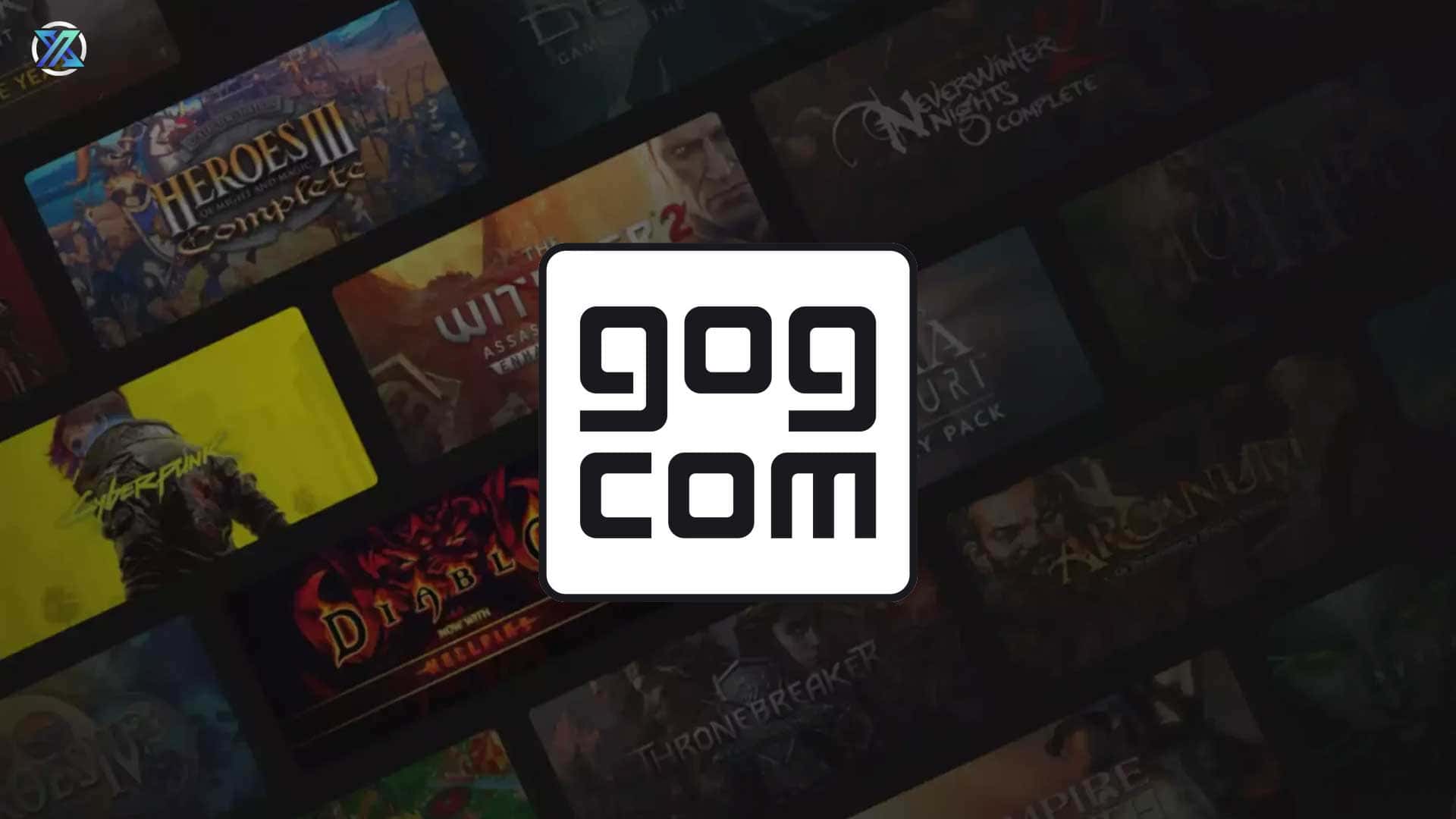
In an industry where things change too often, GOG has grabbed the limelight from the gamers and industry experts. If you have been following the GOG and CD PROJEKT, it's evident that you know about Michał Kiciński, as he is one of the creative minds behind these globally-acclaimed projects. Kicinski is currently in talks to officially bring the platform back, hinting at a major ownership shift. Renowned for its supportive community and especially DRM-free gaming, GOG has built a loyal circle of players who appreciate actual ownership of their games.
While many consider it a strategic business deal, it is far beyond this and has raised big queries for the gamers. Why did CD PROJEKT step away? And how will it impact the industry? I guess you have pretty similar questions like this. Well, discussions on this major shift have sparked interest across Reddit, YouTube, and gaming forums; all eyes are on what changes can bring new for the GOG and PC gamers.
The Actual Reason Behind This Ownership Shift
Michał Kiciński, the renowned gaming expert, co-founder of CD PROJEKT, and the founder of GOG, has attained 100% GOG ownership from CD PROJEKT. The recent report by CD PROJEKT hinted that the deal was announced on December 29, 2025, where Kiciński purchased all GOG sp. z o.o. shares for approximately 90.7 million PLN (Polish złoty), which converts to nearly $25.2 million.
Credible sources hinted that the purchase was funded entirely through external resources, and Kiciński was not forced to sell his 10% stake at CD PROJEKT. CD PROJEKT acknowledged that this competitive sale was to focus more on its core operations of AAA game development, including The Witcher and Cyberpunk franchises. This brainstorming shift might look like just another ownership transfer, but deep down, it will have a massive impact on the hardcore players and across the gaming community.
How Could This Step Affect Gamers and the Industry?
The ownership shift of GOG to Kiciński primarily focuses on bracing the platform's core values while encouraging CD PROJEKT to specialize its focus. If you follow GOG and wish to know what's special this transition could bring to you, the underlying table can help you with clarity.
| Impact on Gamers | Description |
| Guaranteed Game Ownership | The community will maintain the DRM-free policy to ensure that players retain complete control over their games through offline installers. |
| Seamless User Experience | Library and user accounts will be unaffected, meaning existing libraries, optional GOG Galaxy features will remain the same as they were. |
| Game Preservation Approach | GOG website indicated that they are on the way to plan "ambitious rescue operations" in 2026 to revive classic games and confirm that they run without hassle on modern hardware. |
| Access to CDPR Titles | The new distribution agreement confirms that the current and upcoming CD PROJEKT titles will still be released on the storefront. |
GOG serves as a crucial platform to those who prefer closed ecosystems with stricter DRM policies. Additionally, the transfer will be a blessing for the indie developers, especially to those developing retro-inspired creations, to support them to get the limelight they actually deserve. Most importantly, this GOG sale allows its historically low-profit margins from CD PROJEKT's statements, which could attract more investors for the developer.
Real Plan of GOG’s Founder
When Michał Kiciński held the steering wheel of GOG, it was not just to reclaim, but instead, he came up with a fresh vision for GOG's future. At its core, his motive revolves around preserving and fostering what made GOG what it is now, i.e., allowing players actual ownership, DRM-free gaming, and a community-first mindset.
Instead of pushing towards aggressive monetization or restriction policies, Kiciński seems to be committed to strengthening GOG and serving what players love the most. If explained shortly, his main goal remains to ensure that the community stays connected to its roots while looking for a fresh and better growth. Twisted Voxel stated that multiple new initiatives are scheduled for 2026 and 2027 to take the GOG platform into a stronger medium for the players. Reports suggest that Kiciński is personally involved in curating several retro-inspired games planned to appear on GOG by 2026.
Is This a Powerful Move Against Steam?
While GOG's independence doesn't mean that it tries to create loggerheads directly with Steam, the approach does help it to position firmly in the competitive world. GOG has been in talks to double down on its DRM-free philosophy, contrasting it with Steam's stricter policies and locked ecosystem. Kiciński aims to offer players genuine control and permanent ownership through offline installers.
Rather than competing with Steam's extensive library of over 50,000 titles, GOG's primary focus is to revive the classic retro games while ensuring that they remain playable even on modern hardware. For the GOG developer, operating it alone from CD PROJEKT allows it to be more agile and unique in its way.
In contrast, Steam remains a top-tier choice for its social features, superior Linux compatibility, and Steam Workshop mod support. GOG Galaxy, despite being a popular choice, doesn't have as many unique features as Steam. It has been noticed that several AAA title creators still prefer Steam as it permits DRM that they use to mitigate privacy concerns.
Will Prices, Sales or Refund Policies Change?
GOG's official statement acknowledged that the platform's core mission remains unchanged even after the ownership transfer. This move indicates that seasonal changes, price drops and discounts should continue as it is much like before. Historically, the platform offered a fair refund policy, and there's no indication that it will change. GOG's focus on being ethical, as indicated in community discussions, suggests that the current refund rules are not likely to change.
While it is clear that the transfer will not impact user accounts, future tweaks are always possible. Since GOG proceeds with a fresh independent direction, players should not expect abrupt changes in prices, sales frequency or refund policy refinement as of the current.
Till then, players can hop on the official social media platforms as fresh titles, like Cyberpunk 2077 sequel and The Witcher 4, are confirmed to appear on GOG. Though it is yet to be confirmed that they will remain day-one launches, GOG is expected to serve something fresh that players would usually admire.
The Final Words
Industry analysts indicated that GOG's core values can impact and leave a positive note if they work according to players' expectations. From being just a potential shareholder to getting the full ownership, GOG has come a long way to position itself as a "safe harbor" for gamers who prioritize digital ownership rather than a larger platform.
Instead of fighting with Steam on numbers, GOG stands out by offering actual game ownership, classic game preservation, and offline installers. Gamers tired of online dependence and restrictive DRMs, this move makes GOG a strong competitor. While it may not threaten Steam, it does work as a meaningful, user-driven platform, or more likely, "a competitor" in the PC gaming arena.

