


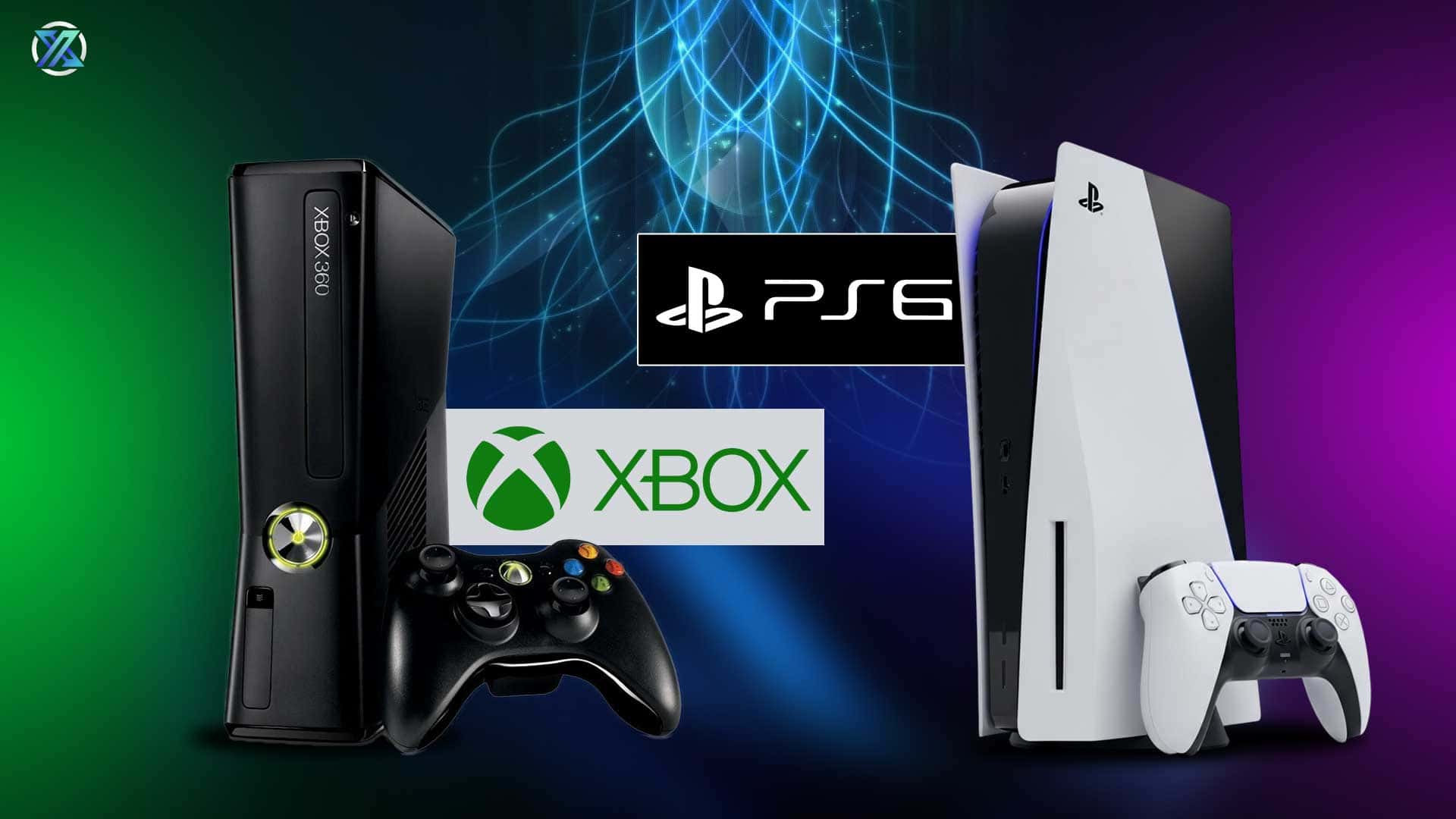
While gamers are keeping their expectations high for upcoming releases, the tech industry is facing an issue that could quietly push those launches further away. The gaming industry is currently hyped by a global RAM crisis, and the ripple effects of which can delay the PlayStation 6 and Microsoft's next Xbox.
As the global RAM crisis deepens, console makers are being forced to rethink pricing, timelines and production strategies. This ongoing RAM shortage isn’t just a supply issue, but is a potential block for the next-gen consoles.
Curious to know the reason? Well, this article will not only explain the impact of the RAM crisis on console timelines but will also highlight how it can redefine the future of gaming hardware.
Current Condition of the RAM Crisis
The tech industry is currently facing widespread memory card storage, especially the DRAM, used in gaming consoles, PCs, phones and other electronics. While many of you might consider it just another shortage, it is a serious problem that can lead to significant market shifts in the near future. Most importantly, the ongoing crisis is causing Sony and Microsoft to rethink their next-gen consoles. Sources hinted that the PS6 and the next Xbox were planned for a 2027-2028 release, but it seems that things have changed drastically from what was expected to happen.
As expanding chip production takes years and billions of dollars, the shortage is expected to last longer and can potentially impact launch timelines and device prices. Behind every moment, whether a delay or a release, not only one, but several pointers together determine the consequences.
Why Is It Delaying?
The RAM shortage doesn't slow down production, but also forces Sony and Microsoft to choose from two options: to delay the next-gen consoles or bring them at higher price points. To give clarity on why it's actually happening, you can refer to the underlying table to understand what could happen next and how it can impact your buying decisions.
| Shortage Factors | Impact on PS6 and Xbox |
| RAM prices have increased significantly globally due to limited production and high AI demand | Skyrockets console manufacturing costs, making launches risky. |
| Memory makers prioritise AI and data centres over consumer hardware | Sony and Microsoft may struggle to secure enough RAM for mass production |
| Consoles are often sold at a lower profit margin, and even with an initial loss | The increased RAM costs could pressure companies to delay launches instead of raising the price point |
| AI companies pay premium prices for advanced memory | The consoles will drop down in the supply priority list. |
| Costly RAM can increase retail prices. | Firms may halt releases to avoid poor consumer demand. |
| Future-driven consoles require large and fast RAM pools | Manufacturers may delay until affordable RAM appears that meets consumer expectations. Reports indicate that the next Xbox could cost as much as $1,000 to $1,200 if the current manufacturing costs are reverted to the consumers. |
Importance of RAM in Consoles
RAM and consoles have a deeper connection that many people haven't yet realized. In consoles, it works as a processor's high-speed and short-term memory that temporarily stores crucial game data for easy access. A post by CLX Gaming PC condemned that RAM ensures faster loading times, quick performance and most importantly, encourages a seamless gaming experience. Modern consoles like PlayStation 5 and Xbox Series X use efficient memory architecture to efficiently allocate resources between GPU and CPU, which in turn relies on high-speed unified memory.
While CPU and GPU handle the processing power, RAM serves as the "high-speed workspace" required to give them data quickly and efficiently, which directly impacts users' gaming experience. Any price hike or shortage in RAM will directly impact console design, performance and launch timelines, making the memory one of the pivotal components in the next-gen systems, including the PS6 and the much-anticipated Xbox.
Is the RAM Crisis Worse Than the COVID Chip Shortage?
Analysts shared that the current RAM crisis is more structurally worse than temporary halts, including the COVID-19 pandemic chip shortage. While it is to be noted that the pandemic shortage happened temporarily due to global transport disruption and increased demand, the ongoing RAM shortage seems to be more threatening for hardcore gamers. The underlying table highlights the key differences between these two noted shifts in the gaming-tech industry.
| Factors | COVID-19 Chip Shortage (2020-2023) | Current RAM Crisis (2024-2027+) |
| Primary Reason | Pandemic-oriented supply chain disruptions (logistics issues and factory closures) | Structural transfer in production toward AI and high-bandwidth memory |
| Scope | Impacted an array of semiconductors | Driven primarily by memory shortages, like DRAM and HBM as AI infrastructure affected the supply. |
| Impact on Consumers | Significant delays and price hikes in cars, gaming consoles, phones and GPUs | RAM price surged by ~170% YoY, and potential for long-term price escalation for AI |
| Industry Reaction | Manufacturers expanded their capabilities once the pandemic was over | Memory makers are transferring capacity permanently towards high-margin AI products from commodity DRAM, reducing long-term production for consumer devices. |
Is Delaying the PS6 Actually the Smarter Move?
While the delay might bring a wave of sadness and anger, many are curious to know whether it is a strategic approach. Honestly speaking, delaying PS6 despite its originally rumoured 2027-2028 release window seems to be a more brilliant move, as indicated by several industry experts. The potential delay, driven primarily due to the RAM crisis, offers multiple advantages for Sony and its consumers, including :
- Staying safe from a pricing disaster
- Improving supply chain resilience
- Maximizing the PS5 life cycle
A survey by Forbes and numerous social media trends in late 2025 highlighted that 65% of potential buyers follow the waiting approach as it favours premium-quality hardware. Additionally, many gamers explained that they don't need a new game console and prefer to witness the full potential of their current systems.
In the meantime, Reddit discussions were filled with mixed sentiments where some said that the consoles will release even at higher prices, while others want to wait. One user wrote :
“Waiting for a new console because of RAM prices doesn’t make sense,” while others argued a potential halt would prevent a PS6 launch that would cost around $1300+, which many gamers couldn't afford.
Wrapping-Up
A delay in PS6 isn't a bad move, especially where pricing hikes, component shortages and a changing market are concerned. In such circumstances, it could be a strategic choice that balances affordability, quality and consumer satisfaction in the long run.
Launching now can be risky, but waiting on supply and costs to improve further can give you a stronger product at a better price point. Both options can change anything anytime, but delaying may be a more efficient pick only if it offers a more successful and consumer-friendly next generation.

