
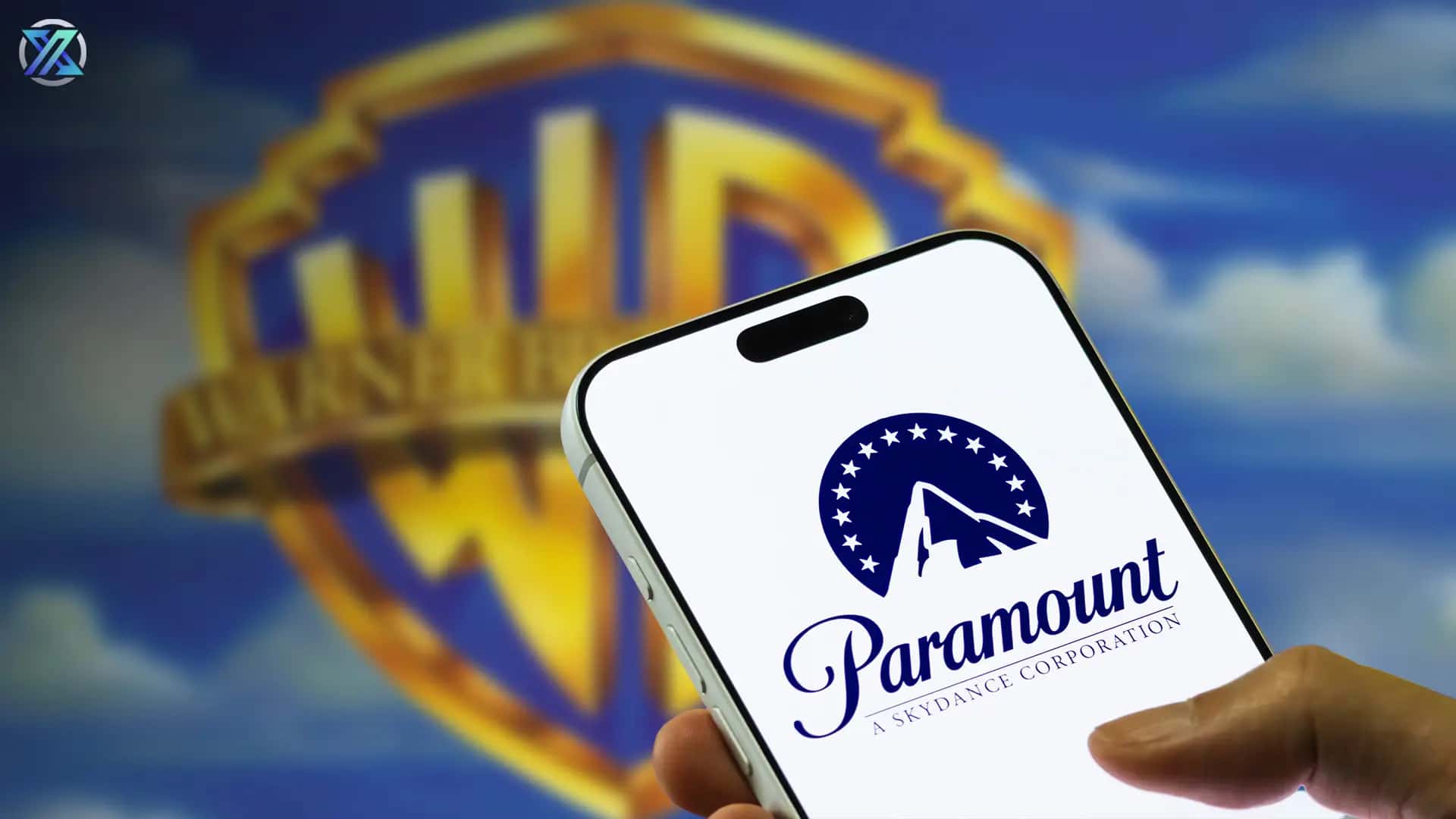
The media industry is in a state of confusion due to the rumours about Paramount's determination to take over Warner Bros. Discovery and possibly a hostile takeover if the current sale talks do not result in a deal. Paramount's behaviour and rumours have illuminated the future of one of the biggest entertainment jungles in Hollywood, just as the bidding war following the Netflix offer has gotten heated.
Letting the competition know about the Paramount is about to go even further with its offer, which could change the film, television, and streaming industries for decades, possibly bypassing the Warner Bros. Discovery board and appealing directly to shareholders instead.
Background : A Bidding War for a Hollywood Giant
Warner Bros. Discovery, the parent company of the iconic film studios and television assets, the streaming service HBO Max, and the franchises ranging from DC Comics to "Harry Potter,” has been the subject of several acquisition offers. Among the bidders were Paramount Skydance, Netflix, and even Comcast in the last couple of months.
The initial bid from Paramount was rejected, but it still valued WBD at around US$24 per share, resulting in a total of almost US$60 billion for the takeover. The WBD board declined the proposal and began a formal sale process, stating they would consider higher bids than the one they had previously deemed too low.
Understanding the difficult situation, Paramount changes its tactics: it raised its breakup fee, the amount WBD would get if the deal fails, to US$5 billion, a move that is prominent among many as a demonstration of real intention.
Paramount’s Response : Casting Doubt on WBD’s Sale Process
With the emergence of another significant bidder (Netflix), which overtook the position of Paramount as the main contender, the latter retaliated by not only offering larger monetary amounts but also putting the other party under legal and strategic pressure. Reports indicate that the lawyers representing Paramount dispatched an official communication to the executives of WBD, accusing the sale process of being "tilted" in favour of Netflix, which consequently raised issues with the WBD board's adherence to its fiduciary duties.
The leading film company contended that its initial bids, which were made before the auction was formally opened, were being overlooked and that the competition was being effectively stifled. The procedure of WBD's sale might have been purposely designed to benefit Netflix.
In and out of the company, Paramount is getting ready to fight more vigorously if the bargain does not turn out in its favour.
What Does “Hostile Takeover” Mean - and Could Paramount Actually Do It?
In the business world, hostile takeovers are usually carried out by a bidder who not only bypasses the target company’s board of directors but also goes straight to the shareholders through a tender offer. This tender offer is an invitation to sell their shares at a higher price. This scenario usually follows a lengthy and difficult negotiation where the board has adamantly refused to negotiate. Analysts consider Paramount a possible candidate, considering such a move.
A principal reason for such a manoeuvre would be the need for Paramount to raise a considerable amount of cash or financing, possibly with the support of investors or sovereign wealth funds. In fact, reports have surfaced that Paramount is reaching out to Middle East sovereign wealth funds to strengthen its financial position.
In case of winning, a hostile takeover would give Paramount access to a whole lot of assets that WBD encompasses, the studios, the libraries of intellectual properties, the streaming platforms, and the future content flows, all of these without having to deal with any opposition from inside. Some people say that the Ellison family (Paramount’s controlling shareholder) wants to keep most of Warner Bros. and mix their content factories while cutting the distribution and marketing costs through shared channels.
Nevertheless, there are still very large hurdles to overcome. Hostile takeovers are often not only high-risk but also costly. They normally provoke very strong opposition from the management. They might have to undergo regulatory scrutiny, which is especially the case when the media markets are already concerned about possible mergers and monopolies.
Implications for Hollywood : What This Could Mean for Studios, Streaming, and Creators
In case Paramount wins over Warner Bros. through a friendly, nice deal or a hostile takeover, it might not only influence but also change the whole Hollywood panorama :
- Consolidation of Content and Power : Paramount-Warner's combined power would encompass an immense content library, major film production houses, many franchises, streaming services, and worldwide marketing and distribution networks. The result could be the reduction in the number of independent studios and the establishment of a more centralised industry structure.
- Streaming Shake-up : Paramount is frequently believed to have the idea of merging the streaming services of WBD (like HBO Max) with its own services, thus paving the way for the creation of a unified, all-inclusive service for consumers.
- Production and Distribution Strategy : The top brass at Paramount is claimed to have set their sights on a major increase in volume, to produce hundreds of movies per year, and AI, along with new distribution methods, to power the whole content generation process of the merged company.
- Risk to Creative Diversity : The industry observers have already warned that the merger, if it happens, will lead to a minimum reduction in the total number of films produced, less competition and the power of negotiators in favour of the creators, distributors and talent.
- Regulatory Pressure and Antitrust Scrutiny : Global regulators are more likely than ever to scrutinise any such media merger, particularly given the scale of the assets involved, as they are already concerned about the creation of media monopolies.
To sum up, for film-makers, artists, writers, theatres, and streaming subscribers, the blow may be difficult now. Still, the different ways of content, freedom for creativity, and even the whole industry’s dynamics might last for a decade or so.
The Competition : Why Paramount Is Not the Only Player and Why the Race Is Fierce
Paramount has not only been involved in the acquisition race but has also been competing with other streaming services, among which Netflix has played a pivotal role, signing a historic agreement worth approximately US$72 billion to acquire the Warner Bros. studios, including the streaming business, in December 2025, which was the largest deal in the media industry.
Comcast, yet another media titan, is meanwhile keeping close to the situation and is said to have come up with a proposal of merging NBCUniversal and Warner Bros. assets with the intent of creating a new separate huge entertainment company, although this scenario is seen as less probable and hence, Comcast is considered a distant second in the race.
Paramount’s persistent endeavour, increasing breakup fees, preparing legal actions, and seeking outside support clearly indicate that the studio is not yet ready to throw in the towel. Reports suggest that the company’s management thinks that if they have to go through a public fight, then it is their best chance to regain control.
WBD shareholders may see this competitive landscape as a catalyst for increasing their valuations further; however, executives would still have to strike a fine balance between maximising shareholder value and avoiding a prolonged proxy battle or regulatory backlash.
What Happens Next : Scenarios to Watch
Due to the nature of this bidding war, which is highly volatile and involves high stakes, there are several possible outcomes :
- Friendly Acquisition by Netflix or Another Bidder : If the board gives the green light to Netflix's current offer and shareholders vote in favour, Warner Bros. would be sold without a protracted struggle, likely the least disruptive option for employees, creators, and industry partners.
- Paramount Launches Hostile Takeover Bid : If Paramount proceeds with a tender offer directly to shareholders, it could lead to a proxy fight, lawsuits, and a potentially tumultuous period for the company.
- Regulatory Block or Delay : Due to concerns that the merger would lead to less competition and more antitrust issues, U.S. and international regulatory authorities might put up a fight or impose restrictions on the merger, potentially blocking or delaying the deal.
- Split and Sell Strategy : WBD could opt to separate its cable networks from its studios/streaming business and sell the parts individually, most likely making a full takeover harder to execute or even rejecting it outright. This may result in some assets remaining intact while others are spun off. (Wikipedia)
- Prolonged Auction Leading to a New Buyer : If none of the bids succeed or are turned down, Warner Bros. may still be on the lookout for strategic alternatives, possibly selling off certain divisions, entering into partnerships, or waiting for more favourable market conditions.
Why This Story Matters - Not Just for Hollywood, But for Global Media
The struggle over Warner Bros. might be the main reason for the confrontation between the two corporations. However, it is still a sign of more extensive changes in the global entertainment industry :
- Streaming platforms have increased and merged, and companies have understood that the control over the content libraries and studios is the key to long-term dominance.
- A rapidly evolving media consolidation trend is in the background, where fewer and bigger players control more of what audience members can see, and the situation is provocatively raising the questions of the future of creativity, the diversity of such, and the competition among the players.
- The leading role of private equity, sovereign wealth funds, and mega-investors in determining media culture is becoming more visible, not only as financiers but also as power brokers.
- It will be hard to avoid corporate governance issues, fairness in auction processes, and accountability to shareholders' concerns, particularly when the deals are as large and complex as this one.
The fight's outcome may determine what kinds of stories are told, who the storytellers are, and what the level of competition will be in the years to come for viewers, creators, and industry watchers worldwide.
Conclusion : A Hollywood Showdown - What’s at Stake
The possibilities of a smooth acquisition, a messy corporate battle, or a regulatory stalemate all lead to one conclusion: the media, streaming, and entertainment in general will be drastically reshaped.
The next few weeks and months might be as impactful for fans, creators, studios, and investors alike, not only in terms of leadership and ownership but also the creative and cultural output of the entertainment industry.