


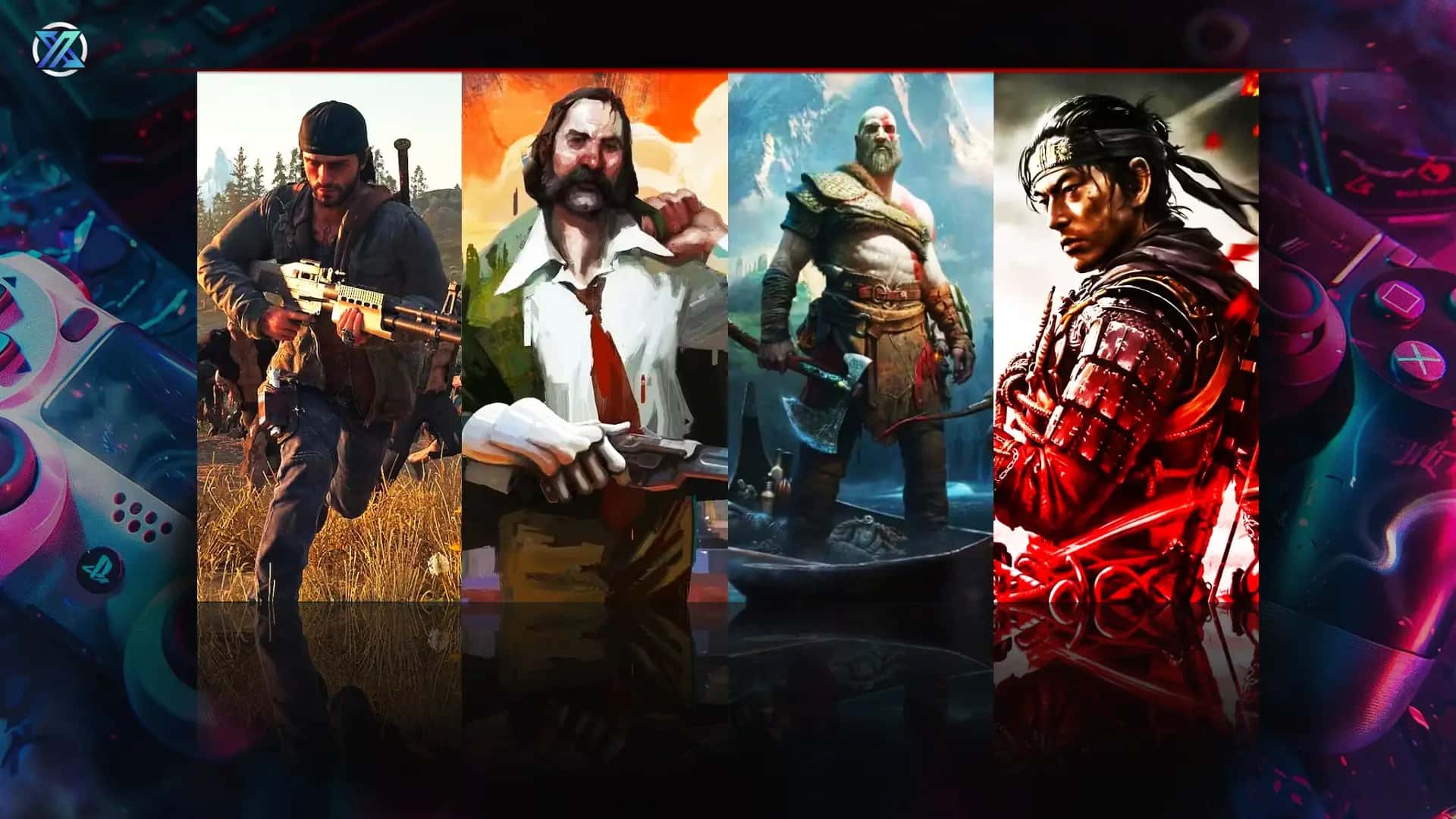
The tale regarding the contemporary video game industry is frequently characterized by the never-ending wave of ''live services'' and multiplayer interactions. The gigantic financial gain from the always-online titles such as Fortnite, Roblox, and the battles passed driven giants that opened up the whole market has made it hard to think that the traditional, limited, single-player experience has anything but a small fan base or it is even an outdated business model.
However, a new worldwide survey from Ampere Analysis, that interviewed more than 34,000 players in 22 different markets, gives a very loud contradiction: in such regions as the United States, Japan, and the United Kingdom, most of the gamers still say that they prefer single-player games first.
This result is a very strong corrective to the prevailing multiplayer-first attitude in the industry and it reaffirms the need for immersive, narrative-centered, and player-controlled experiences. The sales figures are repeatedly distorted by the bold monetization of "forever games," yet this information still speaks to an even deeper player craving and it shows what gamers really want to play when they have the freedom to choose.
The Dominant Preference : A Country-by-Country Breakdown
The survey outcomes point out that there is an enormous interest in solitary gaming across some of the world's most powerful gaming markets. The differences in preferences are not small, which indicates that there is already an audience that is quite large and specific for top-notch, non-multiplayer releases.
- United States : The inclination towards single-player gaming in the US is the highest, with 65% of the people taking the survey saying they would rather play a solo game than a multiplayer one. This number is really surprising especially in the case of the US where the market is very much into playing high-profile multiplayer console and PC games. But still, the desire for carefully selected solo adventures is there.
- Japan : Japan, known for its amazing single-player RPGs and narrative games, also indicates a strong preference at 63% which is quite similar. This finding resonates well with the country's cultural liking for intricate stories and mastering of game mechanics which sometimes can be best experienced in a single-player setting.
- United Kingdom : In the UK, 58% of the gamers still opt for single-player experiences. This tendency is also seen in other markets like Germany and Thailand which have reported 60% and 62% respectively, indicating a regional trend that embraces the classic gaming model.
The results bring forth an important difference: the gamers who play multiplayer games often just to have a chat or to get a free-to-play model, actually prefer the long and winding road of a single-player title.
The Generational Divide : Time, Commitment and Life Stages
Among the different aspects the survey throws light on, the very strong relationship between age and gaming preference comes out loud and clear. The survey implies that the gaming industry’s present-day trend of giving priority to live service models is mainly serving the younger generation and at the same time, it is also putting aside the aging yet financially stable older cohorts who are increasing in number and coming along.
The survey indicates a clear division in generations :
- 16-24 Year Olds (Gen Z) : Almost half (49%) of the gamers belonging to this very young age group still favor single-player games. This is the only group whose preference is almost evenly split and this reflects the fact that gaming is a part of daily social lives for the young ones, playing not only Roblox or Fortnite as digital social infrastructure but also as entertainment.
- 25-34 Year Olds (Millennials) : This group shows a very large (56%) shift to single-player games. This shift is very indicative of the millennials who usually have a lot of things going on in their lives. The single-player game’s low-commitment nature is to be able to pause, save, and return on one’s own time has become a major factor for attracting this group.
- 55-64 Year Olds (Baby Boomers/Gen X) : The preference among the older people is very consistent and strong, with a striking 64% preferring to play solo. This indicates that people who have less time to play together online are more likely to seek out traditional, storyline-based engagement and thus this becomes a general pattern.
This generational breakdown gives a straightforward reason for why the single-player game remains popular: it caters to the different and ever-busier schedules of adults who play games. On the contrary, multiplayer and live-service games require distractions and a lot of time. Therefore to keep up with friends, seasonal events, and competitive ladders, they demand a lot of playtime that is not only consistent but also often scheduled and very high-commitment. This is the case with most players who have just gotten past the ear...
The Revenue Paradox : Preference vs. Profit
The gaming market is unavoidably and advantageously biased towards the multiplayer segment. In the words of Ampere Analysis Senior Research Manager Louise Wooldridge, “Ongoing engagement and monetisation are the reasons why multiplayer games are the ones to which the market is skewed.” The main source of income for multiplayer games, the vast majority of which are free to play, is the huge player base and the smaller transactions (battle passes, cosmetics, etc.) that are done continuously. They are the ones that make the mega, recurring revenue that sometimes reaches as much as 75% of total gaming revenue.
In contrast, single-player games mainly rely on the premium sales model, whereby the player pays once for the full experience. Although the enormously successful single-player games like Elden Ring, The Legend of Zelda: Tears of the Kingdom, and Cyberpunk 2077 show the great sales potential of a top-notch solo title, their total revenue potential usually diminishes after the initial sales, which is quite the opposite of the 'money printing machine' model of a successful live-service title.
Thus, there arises a Preference vs. Profit Paradox. The publishers, who are dreaming of a multi-billion-dollar live-service hit, are the ones that, through their excessive resource allocation, have prioritized a business model that appeals the most to the youngest demographic, thereby ignoring the majority that prefers single-player experiences across larger and older audience segments. The risk that accompanies this strategy is illustrated by the series of high-profile and live-service failures of major studios in recent years, which only goes to show that not every game can be a Fortnite.
The Enduring Appeal of the Narrative Experience
The data points out that the main reasons for choosing single-player games are the distinctive features of solo play :
- Immersion and Narrative Depth : A single-player game can take storytelling to an extraordinary level of immersion and depth. There will be no clashing goals or player-manifested disorder to deviate the audience from the desired narrative, character drawing, and world cultivation by the developer. For most players, this is still the top way of artistic and intellectual communication.
- Personal Pace and Control : The "pause button" is probably the most important element of all single-player gaming. It gives the power to take part in the content without the anxiety of a real-time online lobby, rival players, or in-game events that are about to finish. Such control is a necessity for gamers who have tight schedules.
- Escape without Social Friction : A number of the players turn to video games as a means to unplug from the stresses of the world. The online multiplayer mode can sometimes be a source of stress as well, from competitive toxicity and being paired with "sweaty" players to the demanding coordination with friends. Solo play provides the most direct and reliable form of escape and relaxation, where the only demands are the ones set by the game itself.
The Future of the Gaming Landscape
The survey is a vital message to the video game development community: the single-player game is not only alive but remains the preferred mode of engagement for the majority of gamers in crucial global markets. This strong, consistent preference should not be ignored.
While the live-service model will continue to dominate revenue headlines and appeal to the highly social Gen Z audience, the sustained demand for premium single-player titles offers a clear, lower-risk path to profitability for developers. The success of single-player-focused platforms and companies, particularly Sony's PlayStation Studios with their string of narrative blockbusters, demonstrates that cracking a “finely balanced formula for single-player games can leverage this broad audience appeal.”
Conclusion
Ultimately, the future of the industry will likely see a greater acknowledgment of this dichotomy. Developers who successfully balance their portfolio to serve both the social needs of the young and the narrative preferences of the mature gamer are poised for the greatest success.
The survey confirms that for a significant portion of the global gaming audience, particularly in the UK, US, and Japan, the most desirable experience is still a solitary one, driven by a compelling story, a curated world, and the simple, sacred freedom of the pause button.