
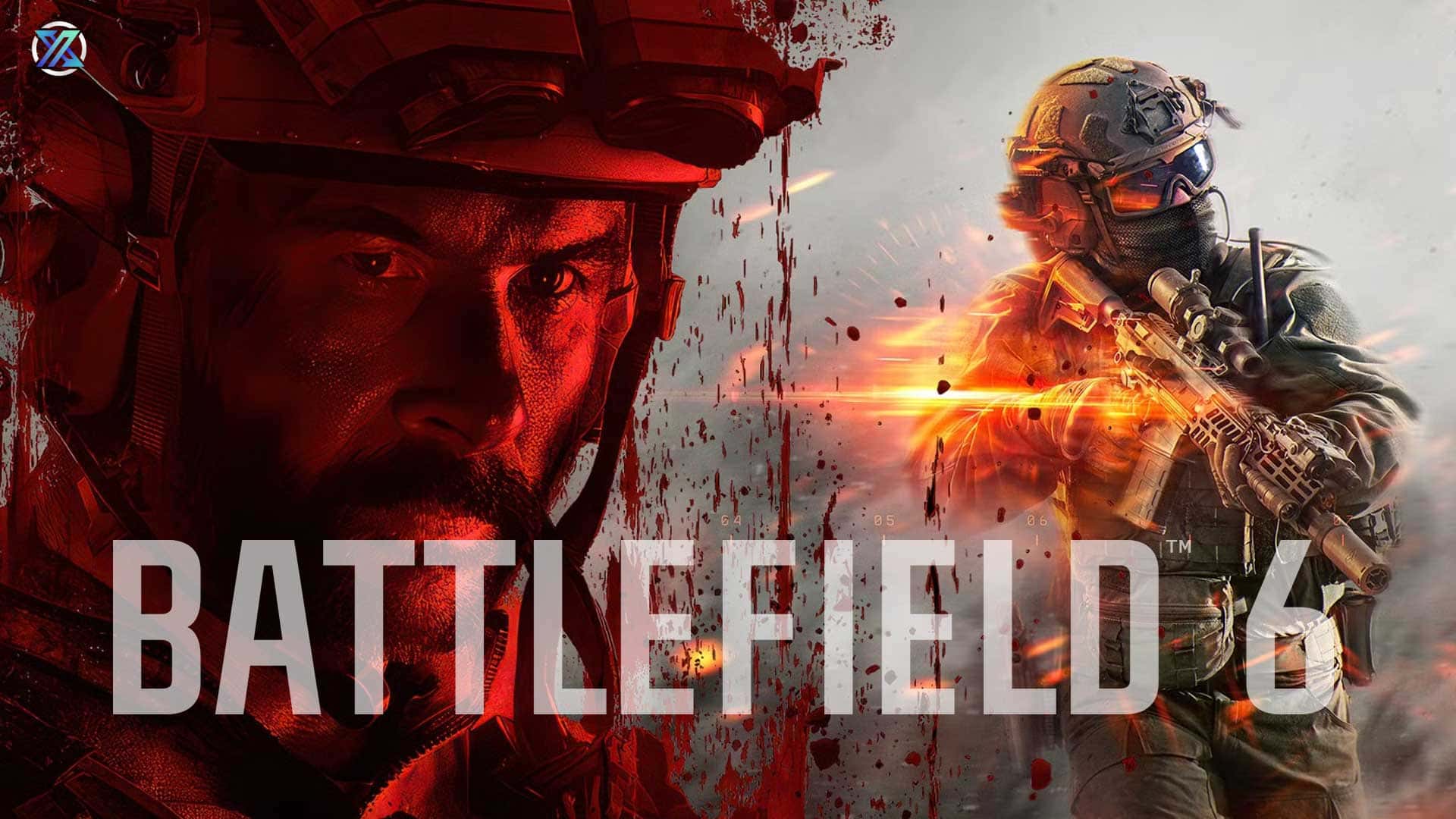
The rivalry that has been around for years between Call of Duty and Battlefield seems to be shifting again, as the first signs are that Call of Duty is starting to take over Battlefield 6 in terms of player interest, visibility, and momentum. Battlefield is still one of the most popular names in the world of large multiplayer shooters, but the trend is that Call of Duty is regaining its position, both in terms of engagement with the community and overall market share.
Battlefield 6 might still have some tricks up its sleeve but the first indications coming from marketing, social media, influencer, and player sentiment activities are showing the same old pattern. Call of Duty, in spite of annual release fatigue, appears to be drawing on its ecosystem advantages while Battlefield is still grappling with regaining trust after its earlier misadventures.
A Rivalry Defined by Scale vs. Accessibility
For almost twenty years, Call of Duty and Battlefield have been in a constant battle representing two different approaches to first-person shooters. Battlefield has always prioritized large-scale battles, vehicular combat, and vast, open-ended multiplayer environments. Conversely, Call of Duty built its image around rapid-fire action, smaller playfields, and a very accessible game loop.
Battlefield 6 was seen as a strong return of the franchise that has been affected by the mixed reviews of Battlefield 2042. Many gamers were looking forward to the next installment eliminating classic features, fixing technical problems, and making Battlefield a real competitor once again. But the buzz has been there but has not yet reached the same level of excitement that usually comes with a new Call of Duty cycle.
The power of Call of Duty lies in its familiarity and continuity. The players are always aware of what to expect, and that very predictability, often cited as a disadvantage, has turned out to be a strong point in comparison to Battlefield's recent innovations.
Early Engagement Metrics Favor Call of Duty
The online engagement metrics are one of the early signs and one of the most evident ones. Across all social platforms, trailers on YouTube, updates from developers, and discussions among influencers, Call of Duty content is still getting the highest interaction compared to Battlefield 6 posts. Reveal teasers, leaks, and gameplay speculation regarding Call of Duty all the time get more views, likes, and comments than Battlefield discussions do.
Search trends are also indicating a gap that is getting wider. Interest spikes for Call of Duty are more likely to be in the charts for a long time, whereas Battlefield 6 discussions are usually of a short duration and have a quick fall-off after that. This pattern shows that there is a curiosity for the topic but not the hype for the topic.
Streaming platforms confirm this trend too. Players and content creators, top ones especially, keep on making content out of Call of Duty, mainly Warzone-related gameplay but Battlefield has not yet made its way back to a consistent presence on the big streaming platforms. Visibility is important, and at the moment, Call of Duty is still the one that rules the digital space.
The Warzone Effect Cannot Be Ignored
Warzone is probably the most significant factor in Call of Duty's growing advantage. While Battlefield still up to now heavily relies on its traditional releases for getting premium sales, Call of Duty has turned its live-service to a continuous customer engagement year-round. Warzone is a marketing and player retention tool at the same time for the company, thus the franchise stays relevant all the time, even in the periods between the major releases, because of the constant presence of the product.
In the past, Battlefield has tried to implement live-service aspects but none of them reached the same breadth or regularity as Warzone. The unsuccessful live-service of Battlefield 2042 had a huge negative effect on the gamer community's trust, and now Battlefield 6 has to take on the challenge of changing that perception.
On the other hand, the Warzone updates, seasonal events, and cross-progression allow Call of Duty to bring players into every new premium release. Warzone has created a similar interconnected ecosystem that generates momentum, which currently Battlefield lacks.
Community Sentiment and Trust Issues
The community's trust is a decisive factor in the initial perception, and in this respect, Call of Duty has an easy time overcoming its own controversies. Monetization, over-the-top releases and also game inequality are the main players' complaints against Call of Duty, but the series usually delivers a game that doesn't feel at its core, broken.
Battlefield is after all the unfortunate one that is still healing from the Battlefield 2042 disaster. The game launch left a large number of old-time gamers doubtful towards the promises made, video previews, and the way the project was communicated in the first place. Although Battlefield 6 is striving to amend its predecessors' sins, the community is still very much skeptical.
The initial response towards Battlefield 6 was more careful than excited. The gamers are looking for evidence in the form of playing videos, tech demos, and first impressions before they get totally over the hype. Unlike Call of Duty, the doubt doesn’t come along with the game.
Developer Communication and Messaging
Another domain where Call of Duty seems to gain more ground is the communication with the developer. The activision's studios have been more frequent in their messages, sharing of roadmaps, and post-launch updates. Even though the transparency is not always perfect, it gives players the confidence that the content pipelines and the support plans are in place.
On the other hand, the Battlefield's communication is still very limited. This could be a strategic move to avoid overpromising but it also leads to creating a situation where speculation can easily happen. Without regular updates or the showing of the gameplay, Battlefield 6 might lose its chance to be noticed in the very important pre-launch period and get eclipsed.
In the case of modern gaming, usually, silence is taken as a sign of lack of confidence. Call of Duty always gets a stream of information even when the details are not many.
Gameplay Philosophy : Familiarity vs. Reinvention
The gameplay loop in Call of Duty has always been a major factor in its success. Gunplay, movement, and the pacing of matches are constantly being refined and are instantly recognizable. Even if there is a slight change in mechanics, the main feel of the game will still be there.
The situation of Battlefield 6 is quite the opposite and more complicated. It needs to change towards the new while still going back to the old. The fans are requesting large-scale maps, destructibility, class-based gameplay, and vehicle balance, but they also expect modern performance and smooth progression standards.
This juggling of expectations makes the new battlefield title very risky. No matter how small the changes are, they could easily lose some of the existing players, while on the other hand, Call of Duty's slow and gradual change always keeps the backlash small.
At first, it seems that most players would rather risk their time and money on the sure thing than on a franchise that is still finding its identity.
Marketing Reach and Brand Saturation
The powerhouse of Call of Duty's marketing remains unchallenged. The game keeps its visibility through various means such as celebrity interactions and promotions in different forms of media. Even the gamers who do not keep track of the news in the gaming world are usually informed about the next Call of Duty releases.
On the other hand, Battlefield's marketing presence, although it can be seen, is not as loud. The difference in scale is significant, especially in a competitive release period where consumers' attention is very limited.
The outcome is a gap in perception: Call of Duty is regarded as a certain release, while Battlefield 6 is still a question mark.
How It Is Important for Battlefield 6?
Call of Duty's early signs to take over Battlefield 6, on the other hand, do not indicate that Battlefield is dead. The Battlefield series has bounced back in the past and still has a dedicated fanbase that wants nothing more than a real return to the original quality.
Coming to the matter of fact, Battlefield 6 cannot depend only on past glories or its name. It has to show undeniable evidence that it has absorbed the lessons. Battlefield's strong beta impressions, frequent communication, and polishing of its technical aspects will play a vital role if it wants to change the story. So, until that moment comes, Call of Duty's growth in popularity will be largely unchallenged.
Final Outlook
Initial signs point to Call of Duty once more taking the lead over Battlefield 6, due to the stronghold of the ecosystem, steady engagement, and player retention. Battlefield still has a chance to change the opinion, although the period is getting shorter.
In the current scenario of the market, the swing of the sales is important and at present, Call of Duty has it firmly.

